A.W.S. Active Wear System
Weather protection and comfort for every outdoor moment
Whether you are commuting, exploring a forest trail, or enjoying a day in the snow, the right clothing helps you stay comfortable and enjoy being outdoors, whatever the weather.
A.W.S. (Active Wear System) makes it easier to find products that suit the way you move and the conditions you face. By focusing on the features that matter most to your needs, you can quickly identify the right clothing or footwear for your lifestyle.
What is A.W.S.?
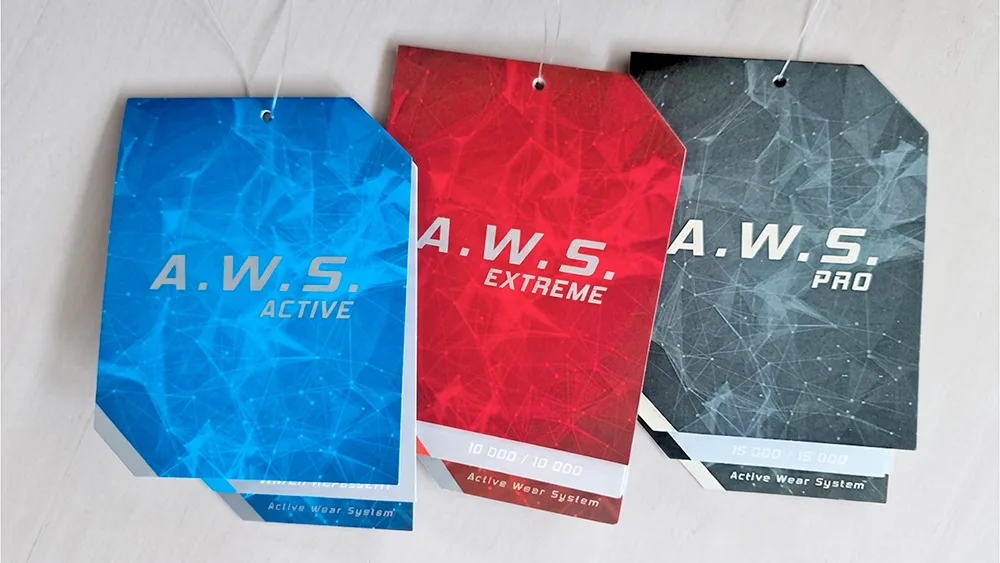
A.W.S. stands for Active Wear System. It classifies clothing and footwear according to their intended use and the environments they are designed for, based on an overall combination of technical features.
Products within the same A.W.S. category can vary in terms of weather protection and individual features. It is the overall purpose of the product that determines its A.W.S. level, not any single material or feature.
For example, taped seams or softshell construction can be found across different A.W.S. categories depending on the intended use of the product.

A.W.S. Active for everyday use and light outdoor activities
A.W.S. Active products are designed for daily wear and relaxed outdoor activities in changing weather conditions.
They prioritise comfort, lightweight performance and ease of use.
Ideal for:
Everyday wear
Commuting
Walking
A.W.S. Extreme for active outdoor use and variable conditions
A.W.S. Extreme products are designed for more active pursuits and changing weather conditions.
They offer additional functionality and protection when spending extended periods outdoors. Ideal for:
Active outdoor use
Sports
Longer outdoor activities
Variable activity levels
A.W.S. Pro for demanding conditions and intensive use
A.W.S. Pro products are designed for intensive activity and challenging environments.
They are suited to situations where reliable performance and functionality are required over longer periods of time.
Ideal for:
Intensive use
Long-duration activities
Technically demanding use
Extended outdoor performance
How to choose the right outdoor clothing
When choosing outdoor clothing, it is important to consider the intended use rather than relying solely on the A.W.S. category.
A.W.S. levels help identify products designed for different activities, but they do not, on their own, indicate a product's waterproofness, breathability or individual technical features.
When comparing products, consider the following:
Weather protection
Is the product waterproof or water-repellent?
Do you need protection from light showers or prolonged heavy rain?
Breathability
How active will you be?
Do you need efficient moisture management?
Construction features
Taped seams
Adjustable elements
Protected zips
Intended use
Everyday outdoor use
Long-duration activity
High-intensity activity


What do waterproof and breathability ratings mean?
Many A.W.S. products use waterproof and breathable materials designed to help maintain comfort across different weather conditions and activity levels. You may see a rating such as 15 000 / 10 000. These figures indicate the material's waterproofness and breathability.
15,000 mm waterproof rating
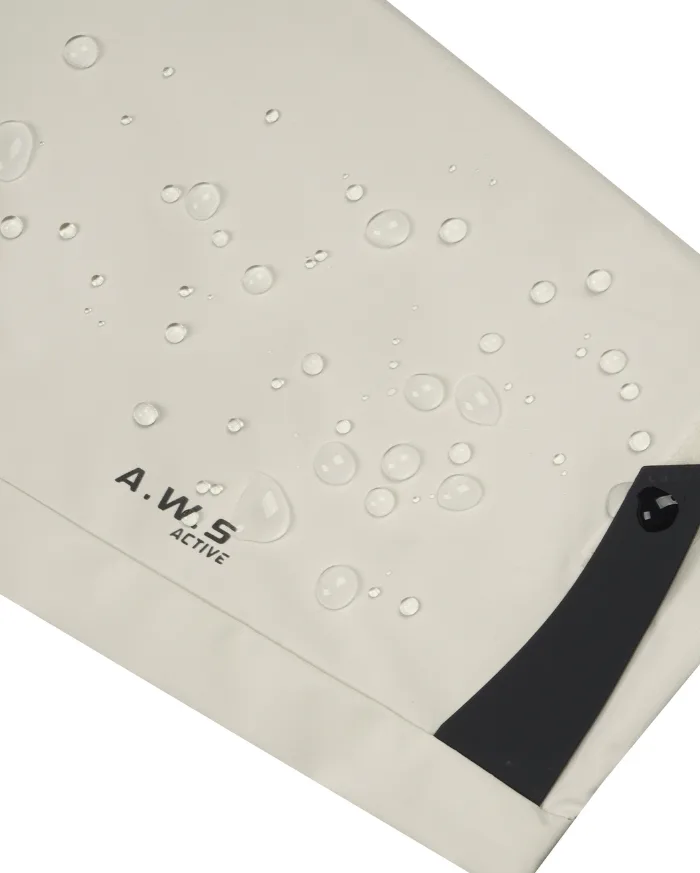
Waterproofness is measured using a hydrostatic head rating. This indicates how much water pressure a fabric can withstand before water penetrates the material.
The higher the number, the greater the protection against rain and moisture.
However, waterproof performance depends on more than the fabric alone. Construction details, such as taped seams, also play a significant role.
| Waterproof rating | Suitable conditions |
| 3 000 mm | Light rain and drizzle |
| 5 000–10 000 mm | Regular rain |
| 10 000–20 000 mm | Heavy rain |
| 20 000+ mm | Intense and prolonged rain |
Takkeja, joiden vesipilariarvo on vähintään 10 000 mm
10,000 g/m²/24h breathability rating
Breathability measures how much moisture vapour can pass through a fabric over
a 24-hour period. The higher the rating, the more effectively moisture generated during activity can escape from inside the garment.
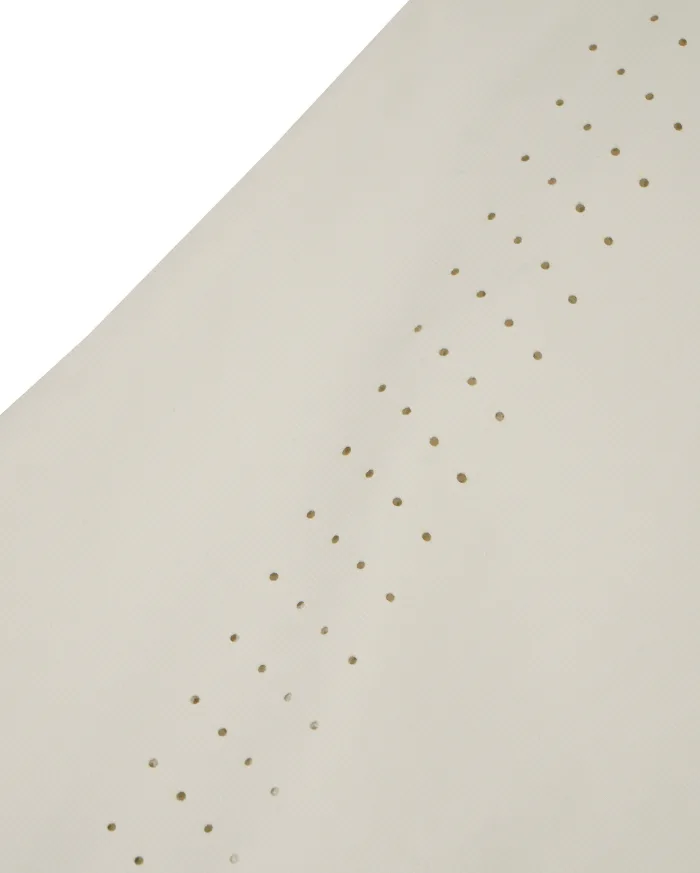
It is worth noting that breathability ratings describe the performance of the fabric itself. Features such as ventilation openings can further improve airflow and comfort during use.
For lighter use, a rating of 3,000–5,000 g/m²/24h is often sufficient, while more demanding activities may benefit from ratings exceeding 20,000 g/m²/24h.
|
Breathability rating
|
Suitable activities |
|
3 000 g/m²/24 h
|
Everyday use |
|
5 000–10 000 g/m²/24 h
|
Light exercise |
|
10 000–15 000 g/m²/24 h
|
Variable-intensity activities |
|
15 000–20 000+ g/m²/24 h
|
High-intensity and long-duration activities |
A.W.S. products use a wide range of waterproof and breathable materials, from entry-level ratings such as 3,000 / 3,000 to highly technical options reaching 20,000 / 20,000.
This allows products to be optimised for different activities, environments and weather conditions.
Together, waterproofness and breathability help keep you dry and comfortable throughout your outdoor activities.
Taped seams for added weather protection
Even when a fabric is waterproof, water can enter through stitched seams.
Taped seams help prevent water from penetrating through these vulnerable areas.
There are two common types:
Critically taped seams – the most exposed seams are sealed to improve water resistance.
Fully taped seams – all seams are sealed for maximum waterproof protection.
Softshell comfort for active use
Softshell is a versatile material that performs well in changing weather conditions. It can be used across different A.W.S. categories depending on the intended purpose of the product.
Typical softshell characteristics include:
Water-repellent surface
Wind-resistant protection
Good breathability
Soft, flexible comfort
Additional features that enhance performance
Many products also include features designed to improve comfort and functionality.
These may include:
Windproof – helps block cold winds and retain warmth.
Water-repellent – helps shed light moisture.
Quick Dry – dries quickly and is easy to care for.
Reflective details – improve visibility in low-light conditions but does not replace a reflector.
UPF rating – Some products may feature fabrics with a UPF rating. UPF (Ultraviolet Protection Factor) is a measure of how much of the sun's UV radiation passes through a fabric. For example, a UPF 30 fabric allows approximately one thirtieth of UV radiation to pass through the material. The UPF rating is achieved through the fabric's weave and construction rather than through chemical treatments.
Designed for Northern conditions
The weather in northern regions can change quickly at any time of year. That is why A.W.S. products are designed to provide comfort, protection and functionality across a wide range of temperatures and weather conditions. From lightweight mid-layers to fully waterproof outdoor garments, A.W.S. helps you find the right balance of comfort, weather protection and performance, so you can focus on enjoying the outdoors whatever the forecast.